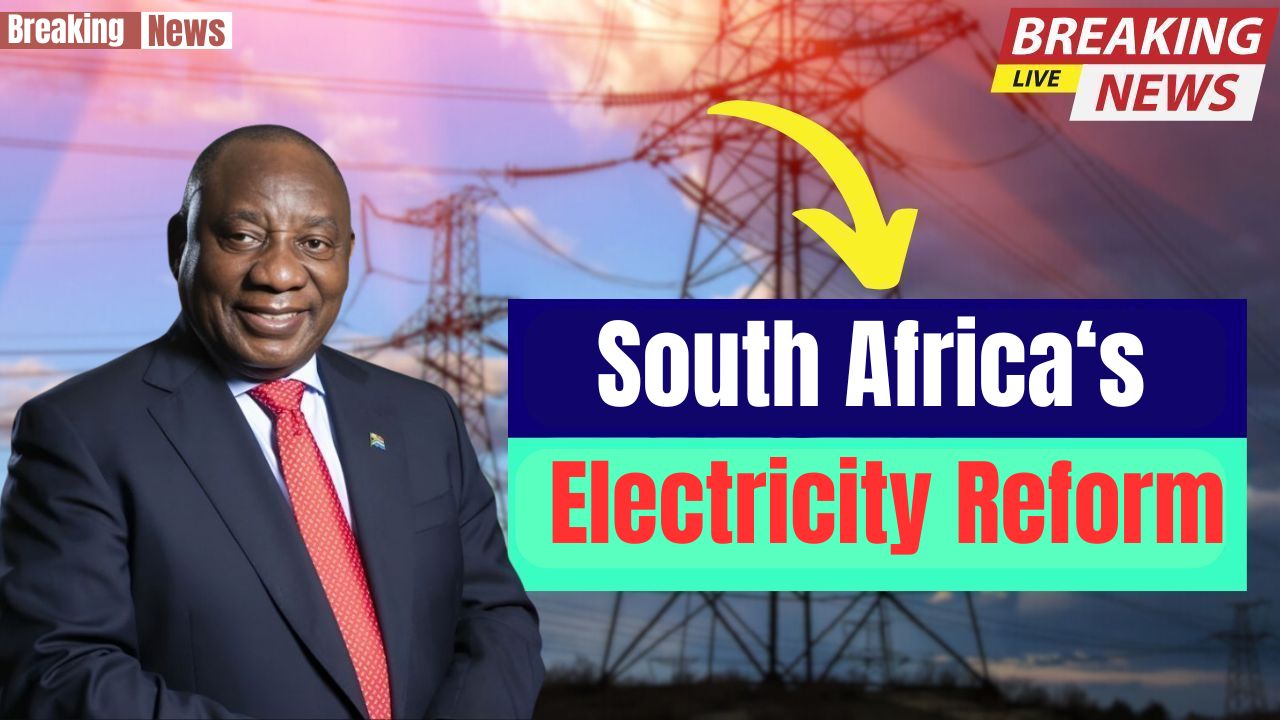
South Africa is preparing for a major phase of electricity reform in 2026 that aims to improve energy supply, strengthen efficiency, and modernize the power sector. These reforms will directly affect households and businesses through changes in pricing, consumption patterns, and access to electricity. The government’s focus is on reliability, sustainability, and long-term affordability for consumers across the country.
Key Pillars of the 2026 Reform
The electricity reform planned for 2026 is centered on tariff restructuring, improving grid reliability, and expanding renewable energy participation. Billing methods are expected to change, with greater attention on consumption behavior and incentives for saving energy. A strong shift away from fossil fuels toward cleaner and more sustainable energy sources is a central goal of this reform process.
Impact on Household Electricity Bills
One of the most visible outcomes of the reform will be changes in electricity pricing for households. Some consumers may see reduced bills by using energy-efficient appliances and managing consumption wisely, while others could experience higher costs under revised tariff structures. The reform seeks to balance affordability with responsible energy use among different income groups.
Boost to Home-Based Renewable Energy
The reforms also support households that generate their own electricity using solar panels, wind systems, or battery storage solutions. Consumers may find it easier to connect these systems to the national grid and could receive limited financial incentives. This approach encourages households to reduce monthly electricity expenses while contributing to a cleaner energy ecosystem.
Grid Improvements and Load Management
Grid synchronization and infrastructure upgrades are another major focus of the 2026 reforms. Revisions in load-shedding schedules, improved infrastructure management, and the rollout of smart meters will help consumers monitor real-time electricity usage. These steps are designed to reduce outages and ensure more stable electricity supply in both urban and rural areas.
Changes for Businesses and Industries
Commercial and industrial consumers will also experience changes under the new rules. Large electricity users may face revised tariffs but can benefit from demand-side management programs. Businesses that invest in energy efficiency and renewable solutions may gain financially, while others could need to adjust to additional load-related charges introduced by the reform.
Long-Term Benefits of the Reform
The 2026 energy reform marks a shift toward a more resilient, environmentally friendly, and economically balanced electricity system. While short-term adjustments in costs and usage may be required, the long-term benefits include cleaner energy production, reduced environmental impact, and a more dependable power supply for the nation.
Adapting to a New Energy Future
For households and businesses, adapting to the upcoming electricity reforms will be essential. Understanding new tariffs, investing in efficiency, and considering renewable options can help manage costs. These reforms are expected to guide South Africa toward a smarter and greener energy future built on sustainability and reliability.