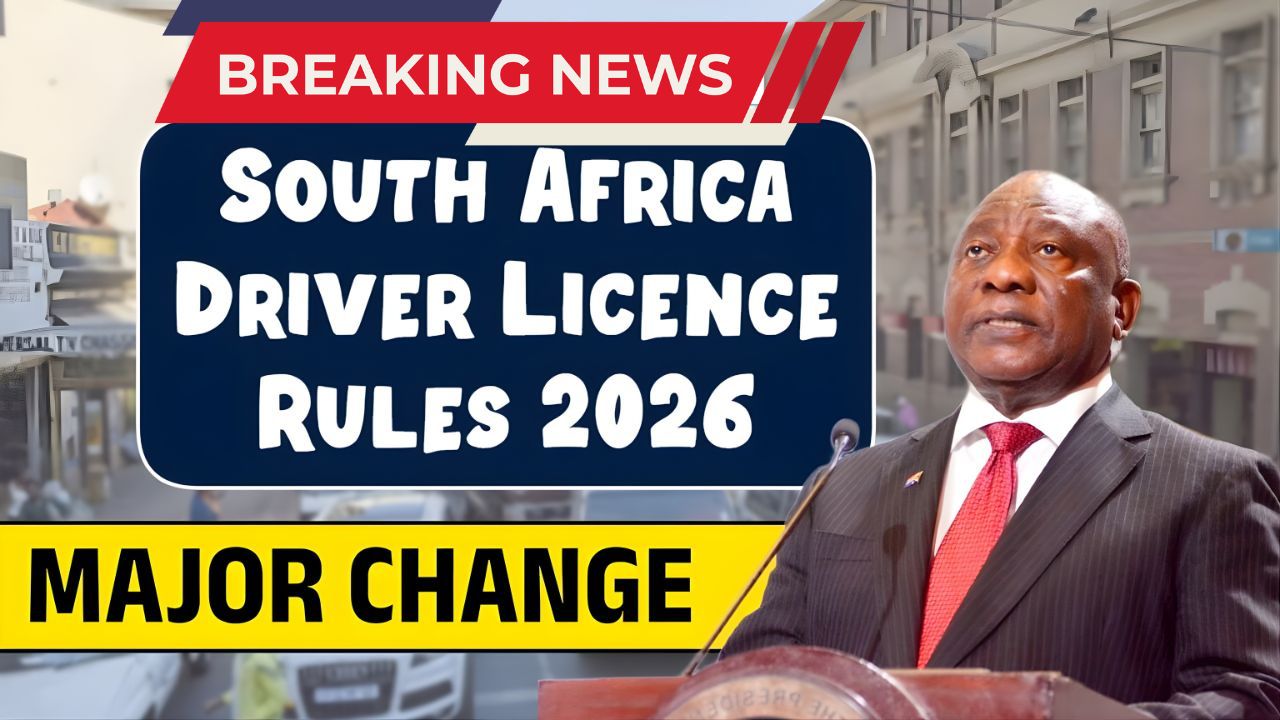
South Africa is preparing to introduce updated driver licence rules in 2026 that will impact every motorist across the country. These changes focus on improving road safety, strengthening compliance and modernising how licences are issued and managed. Whether someone is applying for a learner licence, renewing an existing one or upgrading to a higher vehicle category, these new rules will shape the entire licensing process.
Modernised Licence Application Process
From 2026, the application process for learner and driver licences will become more structured and secure. Authorities will introduce stricter identity verification checks to reduce fraud and eliminate duplicate licences. Applicants must ensure that identification documents, proof of residence and contact details are accurate and current. This update aims to improve the reliability of the national driver database and enhance record management.
Updated Driving Test Standards
Driving tests will undergo major revisions to better reflect real-world conditions. Learner drivers will face enhanced theoretical and practical assessments with stronger focus on defensive driving, hazard awareness and traffic decision-making. Yard tests and on-road evaluations will follow a revised format. A standardised scoring system across provinces will help maintain fairness and consistency at all testing centres.
Digital Driver Licence Integration
South Africa will expand the use of digital driver licences in 2026. Drivers will be able to access a secure digital version of their licence through approved government platforms. Physical licence cards will remain valid, but digital licences will simplify roadside checks and reduce dependency on printed documents as part of broader service modernisation.
Extended Licence Validity Period
Another important change involves the validity period of licence cards. Instead of frequent renewals, drivers will benefit from longer renewal cycles. This adjustment is designed to reduce congestion at licensing centres and make the renewal process smoother. It also lowers the administrative burden on both motorists and transport authorities.
Stricter Medical and Vision Standards
Medical and vision compliance rules will be more rigorous, especially for older drivers and commercial licence holders. Applicants renewing or upgrading licences may need to submit updated medical and eyesight assessments. These requirements aim to confirm that drivers meet minimum physical standards necessary for safe vehicle operation.
Enforcement and Compliance Measures
Traffic authorities will enforce the new rules through regular roadside checks and digital system integration. Drivers presenting invalid licences or failing medical compliance checks may face penalties or temporary suspension until requirements are met. These measures are intended to improve accountability and reduce road accident risks.
What Motorists Should Prepare For
Drivers are advised to familiarise themselves with the 2026 licence changes well in advance. Keeping documents updated, reviewing medical records and understanding new testing standards can help ensure a smooth transition. Early licence renewals and awareness of digital licence options will help motorists stay compliant.