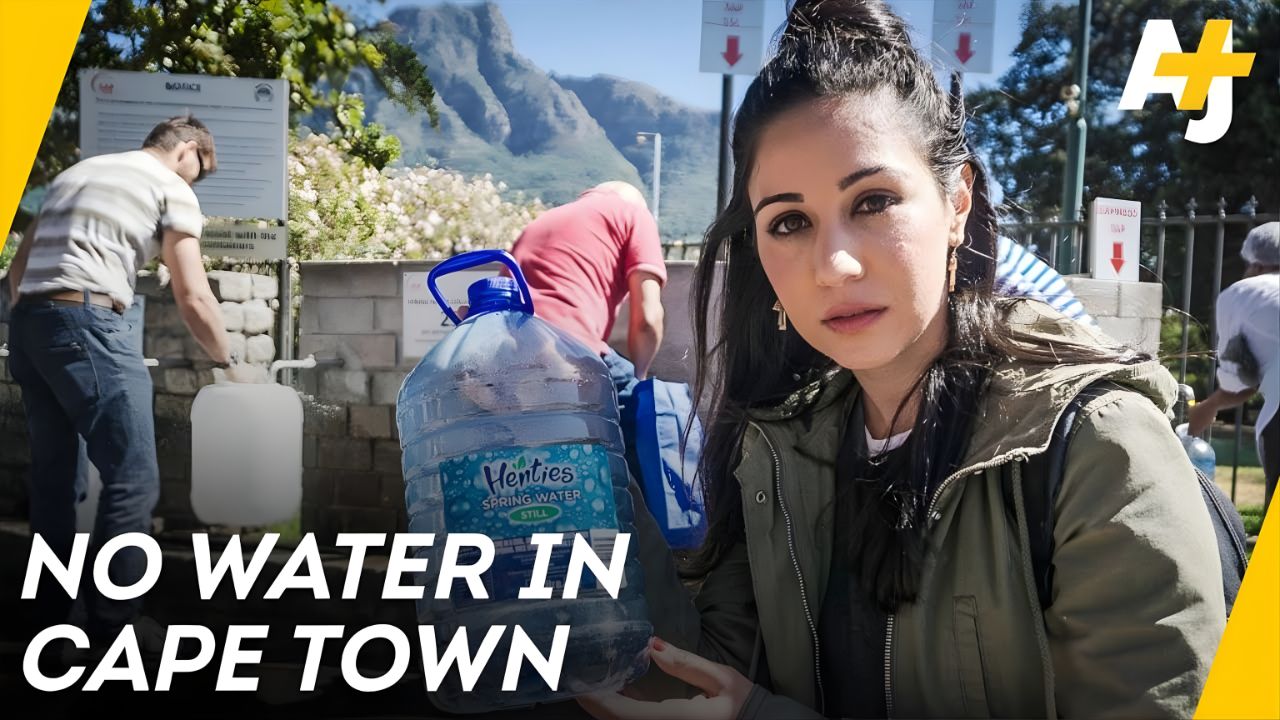
Cape Town is dealing with a water crisis which is on the rise as the authorities have disclosed that almost 35% of the city’s water supply is lost due to the leaks and consequently, the government has declared a national emergency intervention plan which will be effective from January 2026. The disclosure has raised alarming issues regarding infrastructure breakdown, water security, and urban sustainability in one of the major metros of South Africa.
Scale of the Water Leak Crisis
The discussion between officials resulted in finding out that about one-third of the water treated is not delivered to the consumer due to the leaks from the pipes, the breakage of mains and the infrastructure. This has been cutting off the supply of water to the city in millions of litres per day, moving a lot of the pressure already brought on by increased demand and climate change uncertainty onto the reservoirs, treatment plants and municipal budgets.
Minister Confirms Emergency Action
The Minister for water and sanitation declared that the case has become too severe and that national support is needed urgently. An emergency plan will be in operation from the year 2026, which will give priority to immediate leak repair, infrastructure audits, and the application of close monitoring of water distribution systems across Cape Town.
Why the Problem Has Escalated
The majority of the water infrastructure in Cape Town is very old and has not been properly maintained due to the accumulation of maintenance backlogs. The population increase, urbanization, and the occurrence of drought cycles have all contributed to the intensification of the pressure on the system while limited funding and lack of technical expertise has been a reason for the slow pace of large-scale pipe replacement projects.
Impact on Residents and Businesses
The crisis for the residents will come with the increased likelihood that water restrictions may be enforced again, especially during the dry periods. Consistent supply of water is one of the main operational factors for businesses, thus they are now facing the hazards of losing a higher and potentially cost-adding good. Even though the losses are already there, the treatment and pumping costs will also go up, which will eventually have an effect on the city’s finance and service delivery.
What the Emergency Plan Includes
The emergency staff will work to quickly identify areas of high water loss where most volumes of wasted water are due to leaks. In addition to deploying the teams of specially trained repair personnel, local authorities will also be laying underground pipes in those areas identified as critical, and applying sophisticated leak detection technology to find unnoticed faults before they get worse.
Accountability and Oversight Measures
According to the minister, the intervention will be accompanied by stronger monitoring, with performance targets for the city and contractors who will be doing repairs. Frequent Reporting and stricter timelines will be in place to ensure that the emergency funding results in a measurable decline in the loss of water.
Long-Term Water Security Concerns
In the opinion of specialists, the long-term water security of Cape Town will be at risk if the leak losses are not controlled. The ongoing wastage will undermine the activities of desalination, recycling, and dam storage, which are the main strategies for water supply, making the city more prone to drought in the future.
A Critical Moment for Cape Town
The announcement about 35% of Cape Town’s water supply being wasted has proved to be a real eye-opener for the local and national governments as well as for the citizens. It will be January 2026 when the emergency plan is to be implemented, and the effectiveness of such measures will be critical as to whether the city will be able to maintain its water system in a stable condition or not, thus avoiding a deeper crisis in the future.