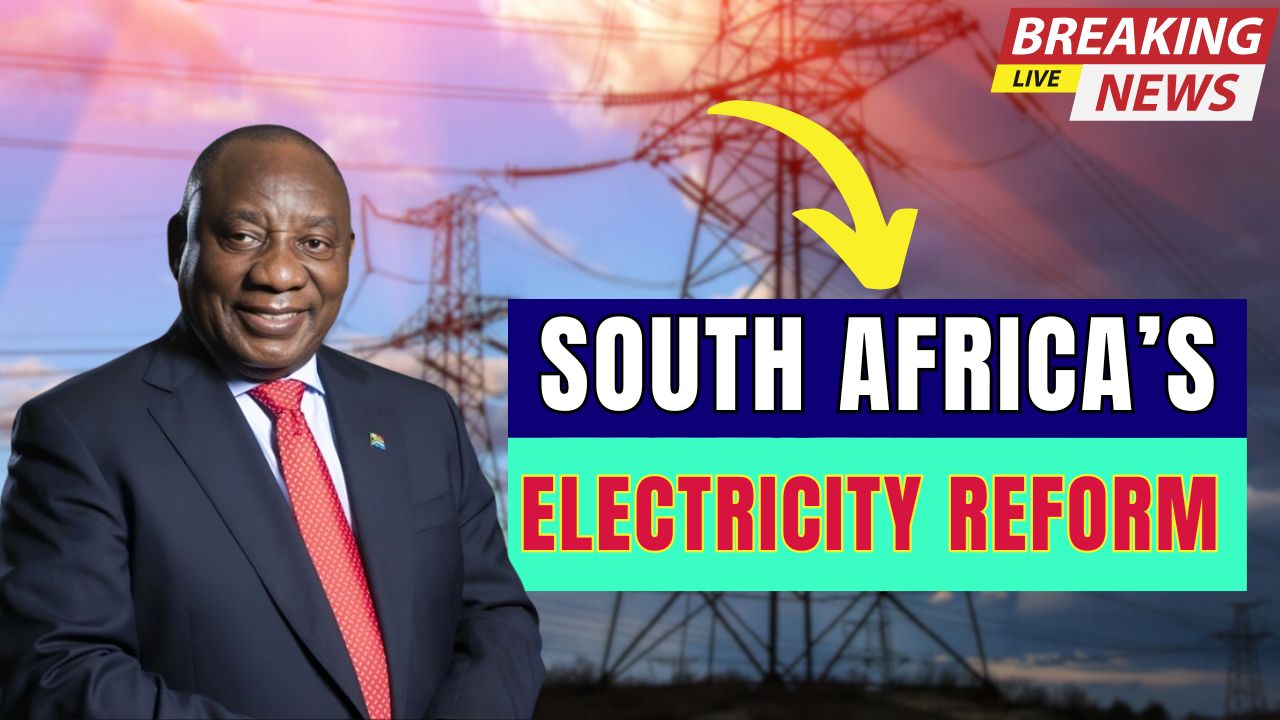
South Africa is set to implement new electricity laws in 2026 as part of a broader reform of the energy sector. The changes are designed to stabilise power supply, improve accountability, and modernise how electricity is generated, distributed, and billed across the country. Households are expected to feel the impact of these reforms in multiple ways.
Why the Government Is Changing Electricity Laws
The new electricity laws aim to address long-standing challenges such as power shortages, ageing infrastructure, and rising costs. By updating the legal framework, the government seeks to attract investment, encourage alternative energy sources, and improve service delivery for consumers.
Changes in Power Supply and Load Management
One of the key shifts under the new laws is a stronger focus on diversified power generation. This includes greater integration of independent power producers and renewable energy sources. For households, this could mean improved supply stability over time, along with new approaches to managing peak demand and load reduction.
New Rules for Electricity Billing and Tariffs
The 2026 electricity laws introduce clearer guidelines on billing structures and tariff adjustments. Utility providers will be required to follow more transparent pricing models, helping consumers better understand how their monthly electricity charges are calculated and why increases occur.
Impact on Prepaid and Postpaid Customers
Both prepaid and postpaid electricity users will be affected by the new regulations. Prepaid systems may see updates in how units are calculated, while postpaid customers can expect revised billing standards, improved dispute resolution processes, and stricter timelines for corrections.
Greater Focus on Consumer Rights
The updated laws place stronger emphasis on protecting electricity consumers. Service providers will be held to higher standards when it comes to outages, billing errors, and communication. Households will have clearer avenues to raise complaints and seek resolution.
Role of Municipalities and Power Providers
Municipalities and licensed power providers will be required to comply with tighter operational and reporting rules. This is intended to reduce mismanagement and ensure that electricity revenues are used for maintenance, upgrades, and service improvements that directly benefit households.
Encouragement of Household Renewable Energy
The new legal framework also supports the use of small-scale embedded generation, such as rooftop solar. Households investing in alternative energy solutions may benefit from simplified approval processes and clearer rules around grid connection and energy feed-in.
What Households Should Do Now
Residents are encouraged to stay informed about how the new electricity laws will be rolled out in their area. Reviewing electricity usage, understanding billing statements, and considering energy-efficient or alternative power options can help households adapt more easily to the upcoming changes.
Long-Term Impact on South African Homes
Over the long term, the 2026 electricity laws are expected to create a more reliable, transparent, and sustainable power system. While some adjustments may be required initially, the reforms aim to deliver better service quality and energy security for households across South Africa.
Conclusion
South Africa’s new electricity laws for 2026 mark a significant shift in how power is managed and delivered. With changes affecting supply, billing, consumer rights, and renewable energy, households should prepare for a more regulated and modernised electricity system that aims to benefit consumers in the years ahead.